How to Protect Your Elderly Parents From Phone Scams and Online Fraud
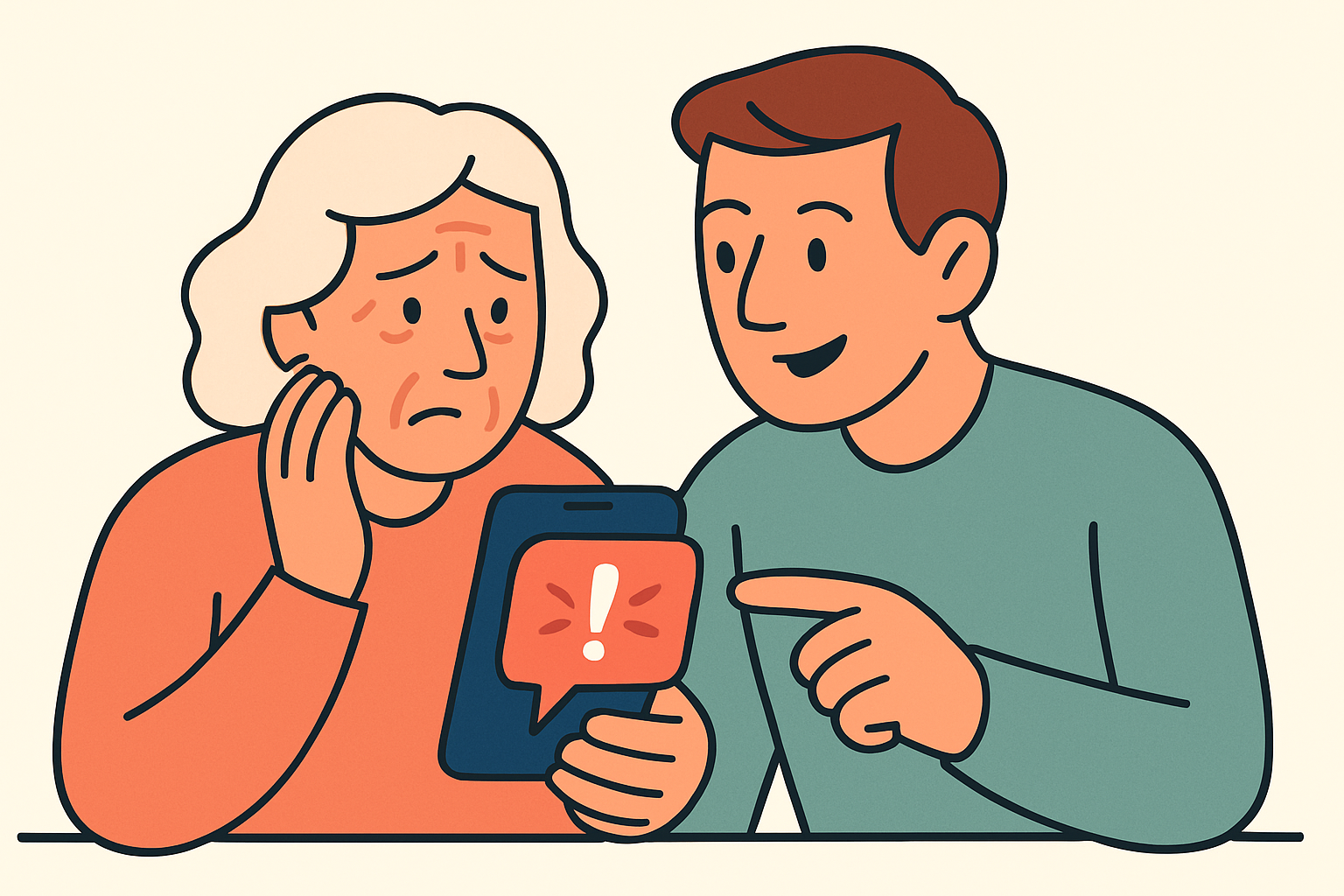
Your mum answered a call from “her bank” last Tuesday and nearly handed over her account details before something felt off. Or maybe your dad got an email saying he’d won a prize and actually clicked the link. You weren’t there. You found out later. That helpless, slightly sick feeling is something thousands of adult children know well.
This guide covers the most common scams targeting seniors right now, why older adults are disproportionately targeted, and what you can actually do to protect your parents without making them feel like they’ve lost their independence. This is a common situation, and there are real things you can put in place that genuinely help.
The Short Answer
The most effective protection combines three things: regular honest conversations about what scams currently look like, a small set of firm household rules (like “never give financial details over the phone”), and some practical technical barriers like call-blocking apps and browser safety settings. No single fix works on its own, but together they make a real difference.
Why Elderly Parents Are Targeted So Heavily
This isn’t about intelligence. Scammers specifically design their tactics to exploit trust, politeness, and unfamiliarity with how technology actually works. Many people who grew up in an era when a phone call from a bank was genuinely routine find it hard to believe that these institutions would never call and ask for a PIN. That expectation gap is exactly what fraudsters count on. Seniors are also more likely to be home during the day to answer calls, more likely to have savings built up over a lifetime, and, in some cases, more susceptible to high-pressure emotional tactics if they’re experiencing loneliness or early cognitive changes. It’s not a character flaw. It’s a deliberate exploitation of generational habits.
The Scams That Are Catching People Out Right Now
Scam tactics evolve fast, but a handful of approaches keep working because they keep fooling people. Knowing what these look like is genuinely the first line of defence.
The Impersonation Call
Someone calls claiming to be from HMRC, a bank, or even the police. They say there’s been suspicious activity on an account and your parent needs to act immediately. The urgency is manufactured. Real banks and government agencies don’t call you out of the blue demanding immediate action, but the script is convincing enough to rattle even careful people. In the UK, Action Fraud receives thousands of reports of this type every year.
The Grandchild Emergency Scam
This one is particularly cruel. A caller pretends to be a grandchild in trouble, often saying they’ve been in an accident or arrested abroad and need money wired immediately. They’ll ask the grandparent not to tell anyone else in the family. The emotional manipulation here is deliberate and effective. Your parents should know this tactic exists by name.
The Tech Support Popup
A scary warning appears on screen claiming a computer has a virus. A phone number is shown. When called, the “technician” asks for remote access to the device and eventually for payment. Microsoft, Apple, and Google will never contact anyone this way. Ever. Full stop.
Online Shopping and Prize Fraud
Fake websites, dodgy emails offering refunds or prizes, and social media ads for goods that never arrive are all catching seniors who are increasingly doing more online. If a deal looks extraordinary, it almost certainly is.
Having the Conversation Without Causing Offence
Your dad probably insists he’s not the type to fall for a scam. Most people who get scammed think exactly that before it happens. The goal isn’t to tell him he’s vulnerable. It’s to share information. Try framing it as something you read about rather than something you’re worried he’ll do. “Dad, I saw a piece about this scam going around that’s caught really savvy people out. Can I tell you about it?” lands very differently from “I’m worried you’ll get scammed.” You’re sharing knowledge, not issuing a warning about his capabilities. That distinction matters enormously for keeping the conversation productive.
If there’s already been a near-miss or an actual incident, approach it with zero judgment. Shame makes people hide things. You want your parents to call you the moment something feels off, and they’ll only do that if they know they won’t be lectured.
Practical Rules That Actually Stick
Abstract advice like “be careful online” doesn’t help anyone. Specific rules do. Here are a few that work well in practice when you establish them together.
The 24-Hour Rule: Any request for money or personal information gets a 24-hour waiting period and a call to a family member first. No exceptions. Scammers rely on urgency. Removing urgency dismantles the tactic entirely.
Hang Up and Call Back: If anyone calls claiming to be from a bank or official body, hang up. Then call the official number from the back of a bank card or from the organisation’s real website. Not a number the caller gave. This single habit would stop the majority of impersonation scams cold.
Never Allow Remote Access: No legitimate tech company will ever ask to control a computer remotely after contacting you unsolicited. If anyone asks for this, close the laptop and call a family member.
The Family Password: Some families set up a private code word that anyone claiming to be a relative in trouble must know before money is discussed. It sounds dramatic, but it works against grandchild scams.
Technical Barriers Worth Setting Up
These won’t replace good habits, but they reduce the volume of threats your parents encounter in the first place.
Call-blocking services are genuinely effective. In the UK, services like the Telephone Preference Service (TPS) reduce legitimate marketing calls, though it won’t stop criminal operations calling from overseas. On smartphones, both Android and iPhone have built-in options to silence unknown callers or flag suspected spam. Spending half an hour setting this up during your next visit is time very well spent.
On a computer or tablet, browser settings can block known malicious sites. Many internet service providers also offer free security tools. Keeping software updated sounds tedious, but it genuinely closes security holes that fraudsters actively exploit. If automatic updates aren’t turned on, turn them on. That’s a five-minute job that pays off indefinitely.
Email providers like Gmail and Outlook have strong spam filters, but it’s worth checking those settings are configured properly and that your parent knows not to click links in emails asking them to “verify” account details. Banks never communicate sensitive requests this way.
What to Do If a Scam Has Already Happened
If your parent has been scammed or targeted, act quickly but calmly. If financial details were shared, contact the bank immediately using the number on the back of the card. Banks in the UK have protections for fraud victims but timing matters enormously. Report it to Action Fraud (actionfraud.police.uk) or, in an emergency involving immediate financial loss, call 101. Keep records of any communications the scammer sent.
Equally important: address the emotional impact. Being scammed, or even nearly scammed, can leave people feeling embarrassed, frightened, and doubtful of their own judgement. Those feelings are completely normal and worth acknowledging directly. Your parent didn’t do anything stupid. They encountered a professional criminal who does this all day every day.
What Actually Helps (And What Doesn’t)
What genuinely works is repetition without nagging. Scam awareness isn’t a one-time conversation, it’s an ongoing topic. Mentioning a scam you heard about when you call on Sundays keeps the subject alive without feeling like a lecture. What doesn’t work is a single long “talk” about internet safety and then hoping it sticks. It won’t, and that’s not a criticism of anyone. The threat landscape genuinely changes constantly.
Locking down a parent’s phone or computer so tightly that it becomes frustrating to use also tends to backfire. When technology becomes annoying, people find workarounds or stop using it in ways that bypass your protections. The goal is confident, cautious use, not restriction. Parents who feel in control of their own devices are more likely to call you when something seems wrong, rather than quietly ignoring your rules.
Frequently Asked Questions
My Mum Has Already Given Her Bank Details to a Scammer. What Do We Do First?
Call her bank immediately using the number on the back of her debit or credit card. Tell them what happened and ask them to flag the account for fraud. Most UK banks have a 24-hour fraud line. Then report it to Action Fraud online or by calling 0300 123 2040. The sooner you act, the better the chance of limiting the damage.
Is It Worth Registering with the Telephone Preference Service?
Yes, it’s free and it reduces the volume of legitimate unsolicited marketing calls, which in turn reduces the overall number of calls your parent has to be suspicious of. It won’t block overseas scam callers who operate outside UK law, but fewer total nuisance calls means less fatigue and less risk of a moment of inattention.
How Do I Talk to My Dad About This Without Him Getting Defensive?
Frame the conversation around information, not protection. Share a real news story about a scam. Ask him what he’d do if it happened to him. Treating it as a puzzle you’re thinking through together, rather than a safety briefing you’re delivering, keeps his dignity intact and tends to produce a much more open conversation. Most people become more receptive when they don’t feel they’re being managed.
Are Video Call Scams a Real Risk Too?
Yes, increasingly so. Scammers have started using video calls, sometimes with fake backgrounds, to appear more convincing. The same core rules apply: any request for money or personal information should trigger the 24-hour pause rule, regardless of how official someone looks on screen. Legitimate organisations don’t demand immediate financial decisions over video call.
Final Thoughts
Protecting your parents from scams is genuinely ongoing work, and the fact that you’re thinking about it means you’re already ahead of most. You won’t be able to prevent every attempt, but you can significantly reduce both the number of attempts that reach your parents and the chances that any single attempt succeeds. Keep the conversations going, keep the technical basics updated, and make absolutely sure your parents know they can call you the moment anything feels strange. That open door is worth more than any app or setting you could ever configure.